Bread as Body
Fertility Goddesses, Ritual Bread and the Venus of Willendorf
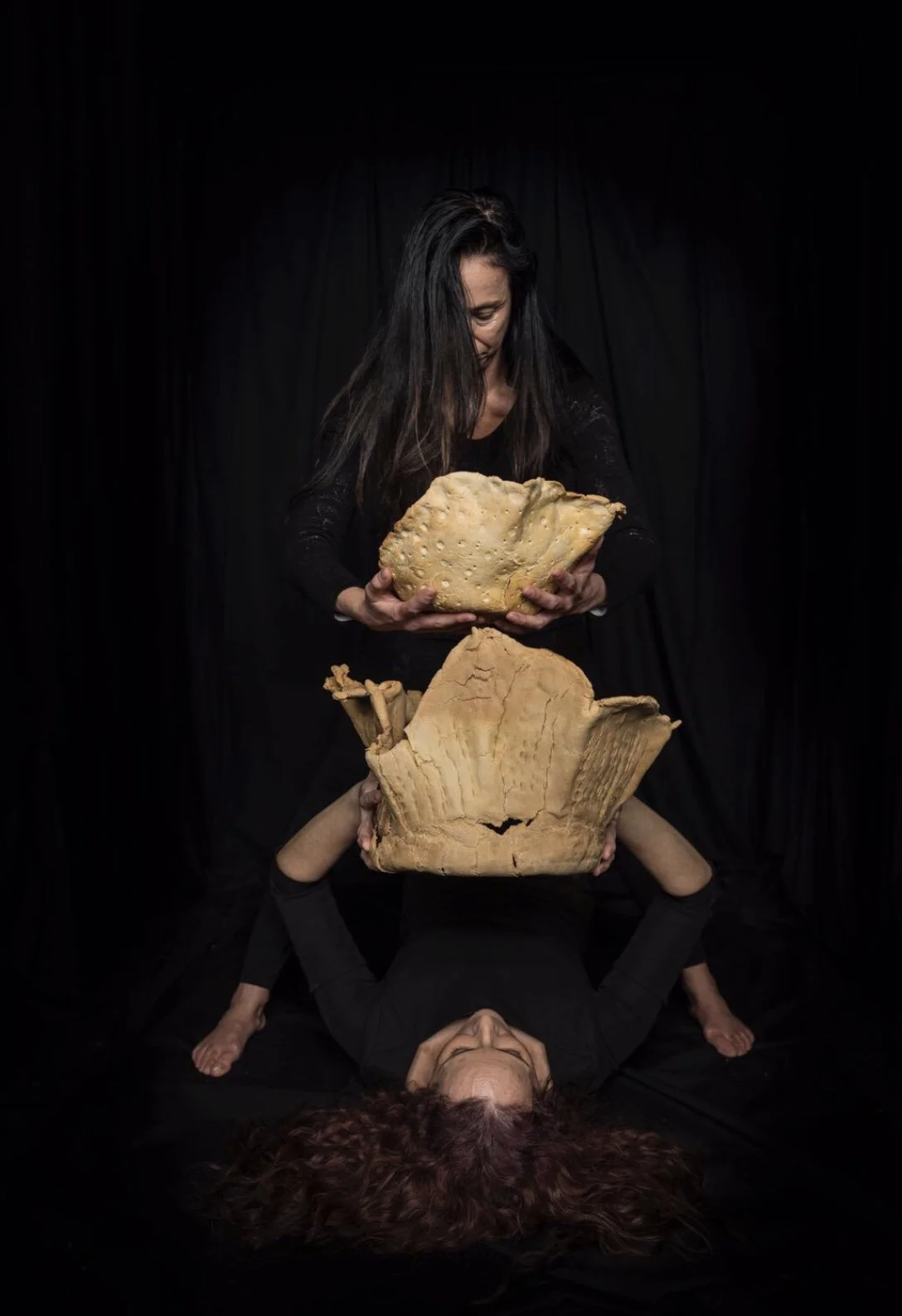
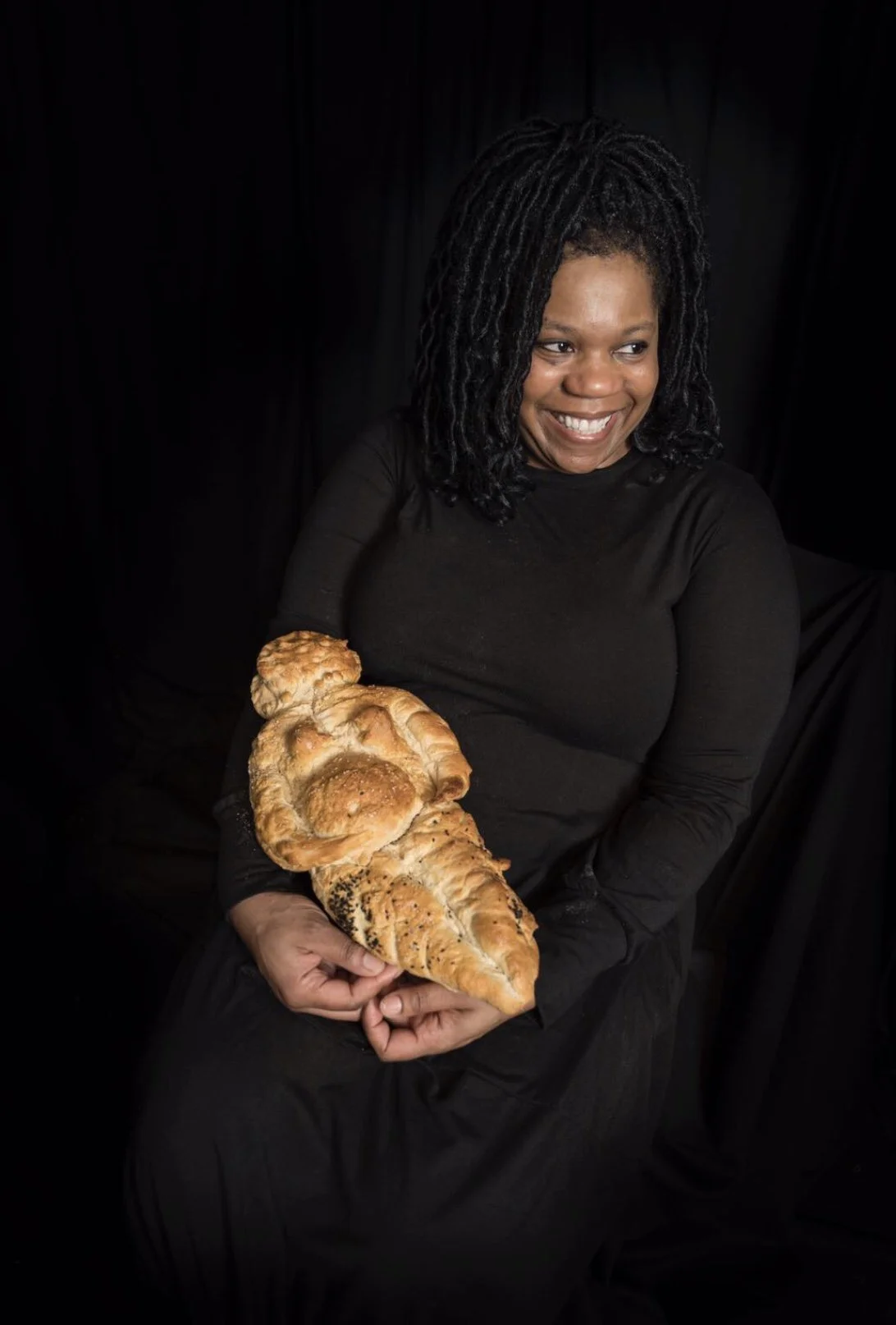
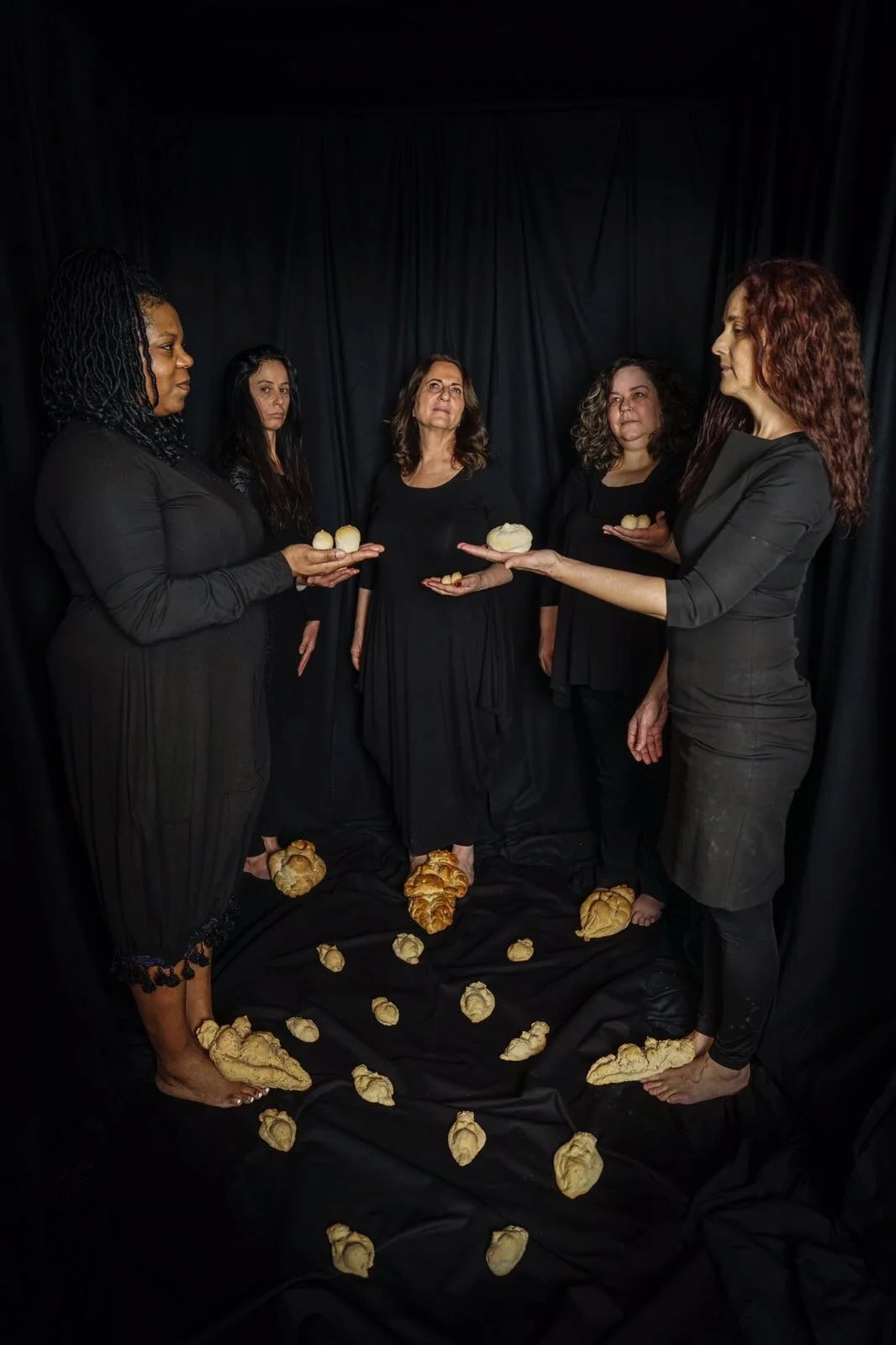
This body of work explores the connection between fertility goddesses made of bread, ritual food traditions, and one of the oldest known representations of the female body in art: the Venus of Willendorf, a prehistoric fertility figure dating back approximately 30,000 years.
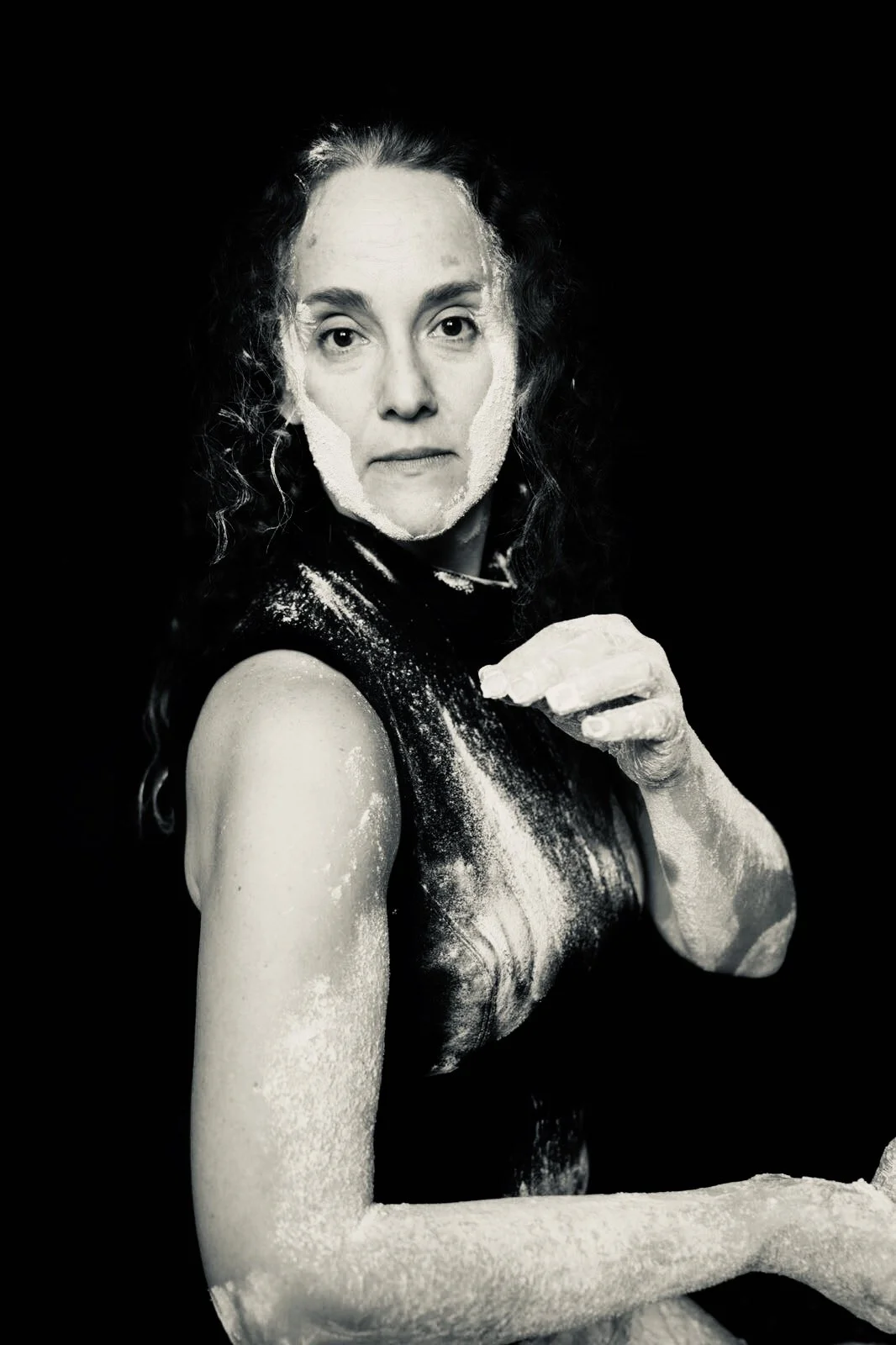
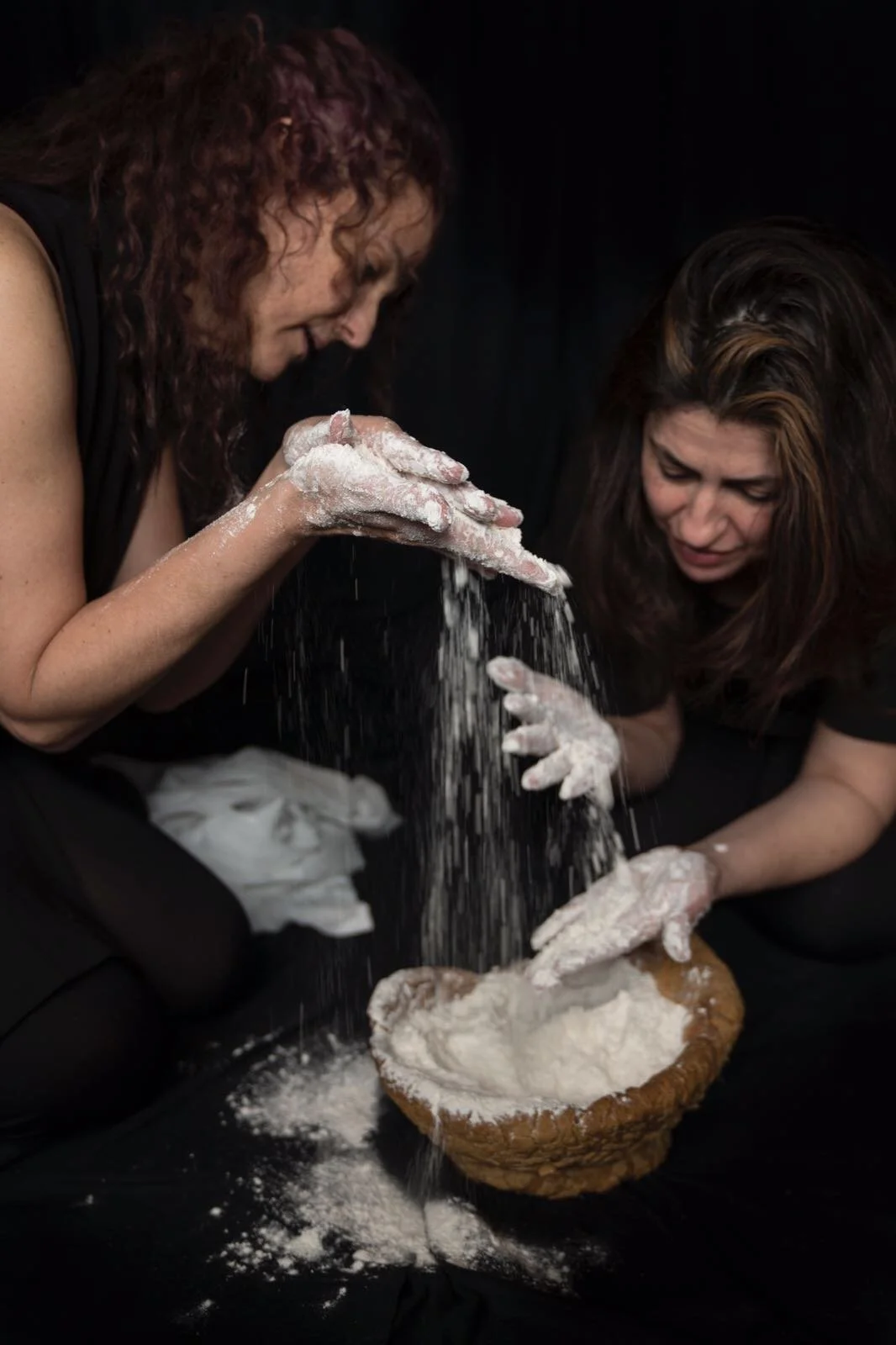
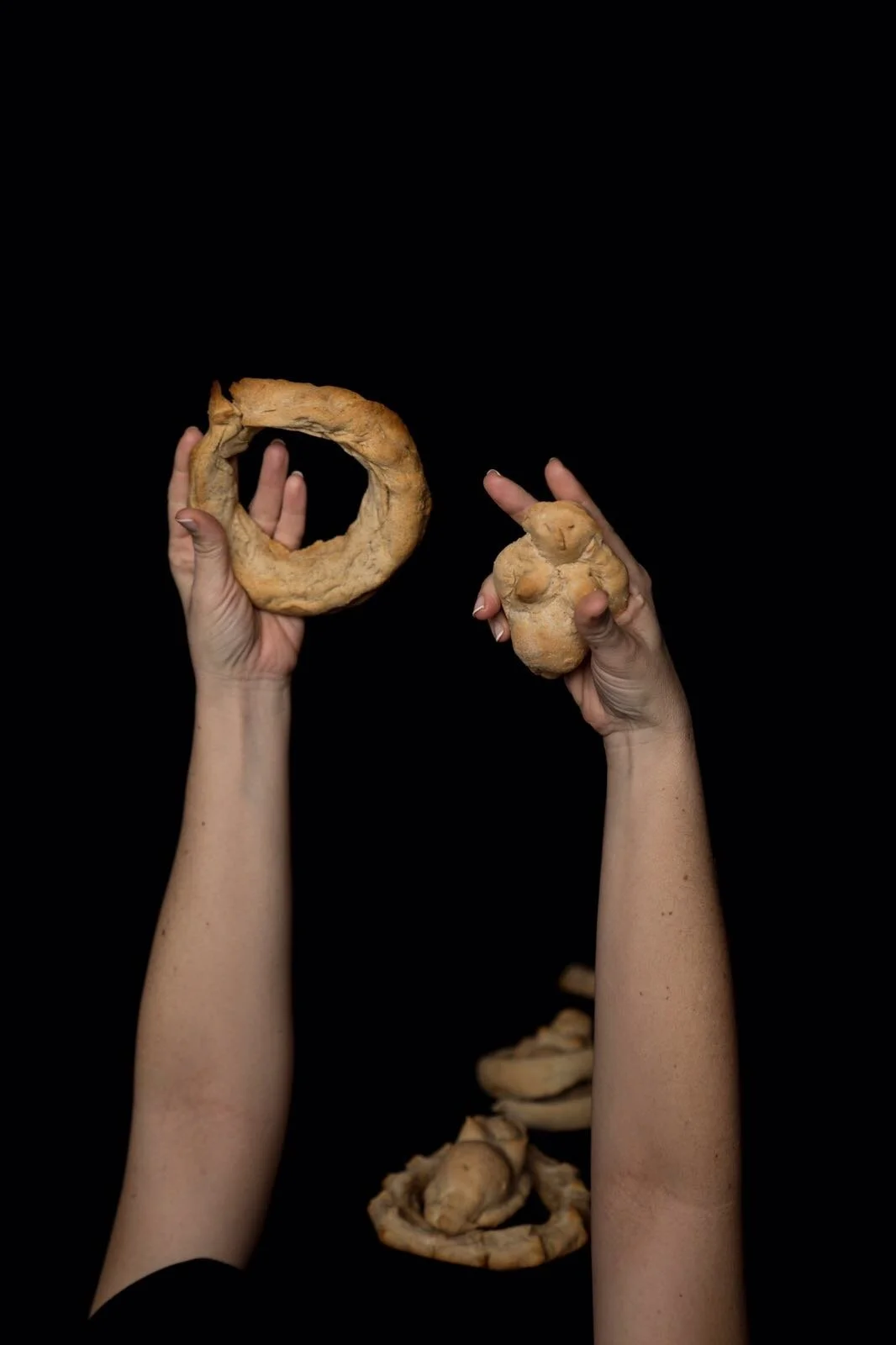
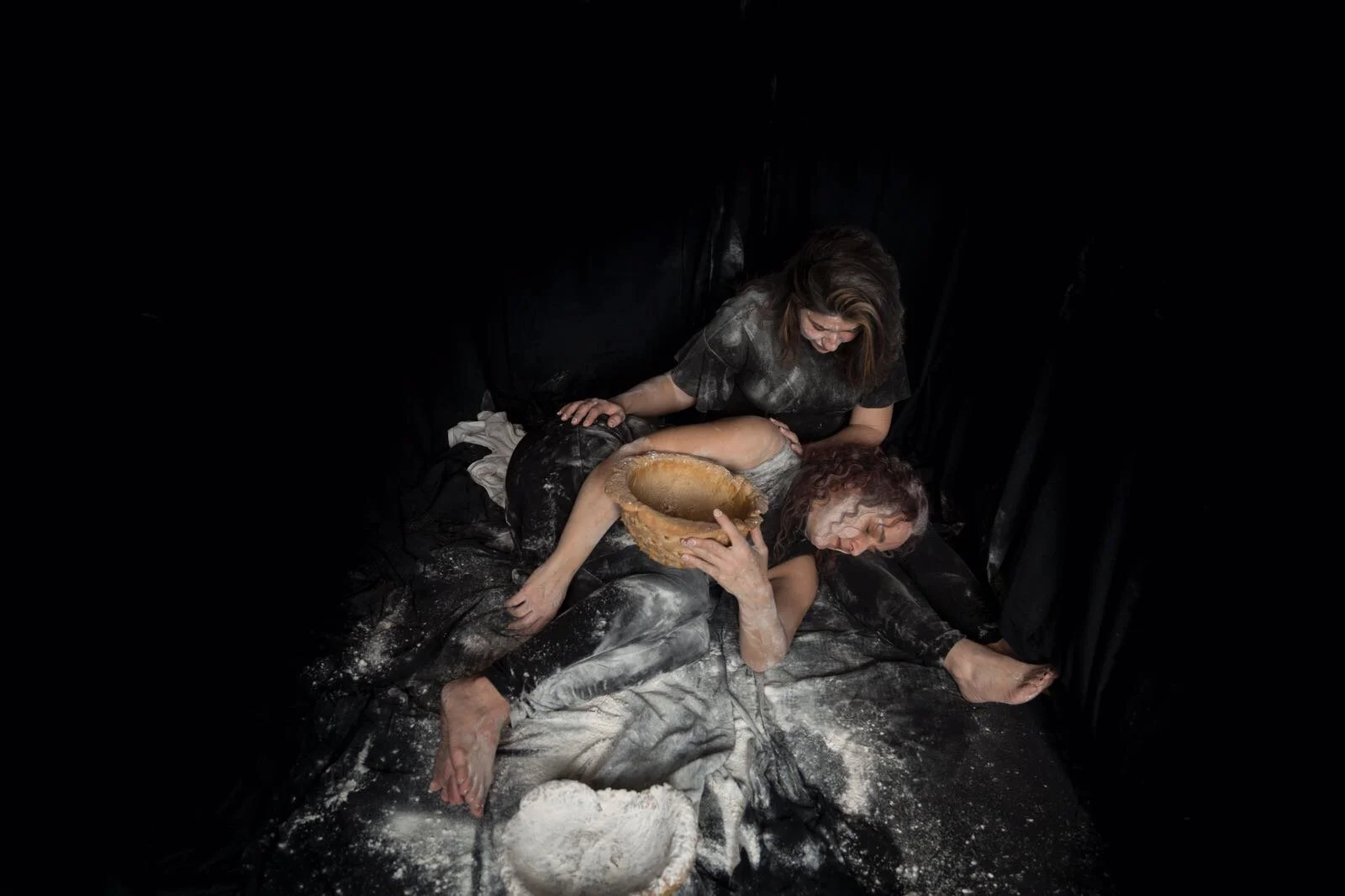
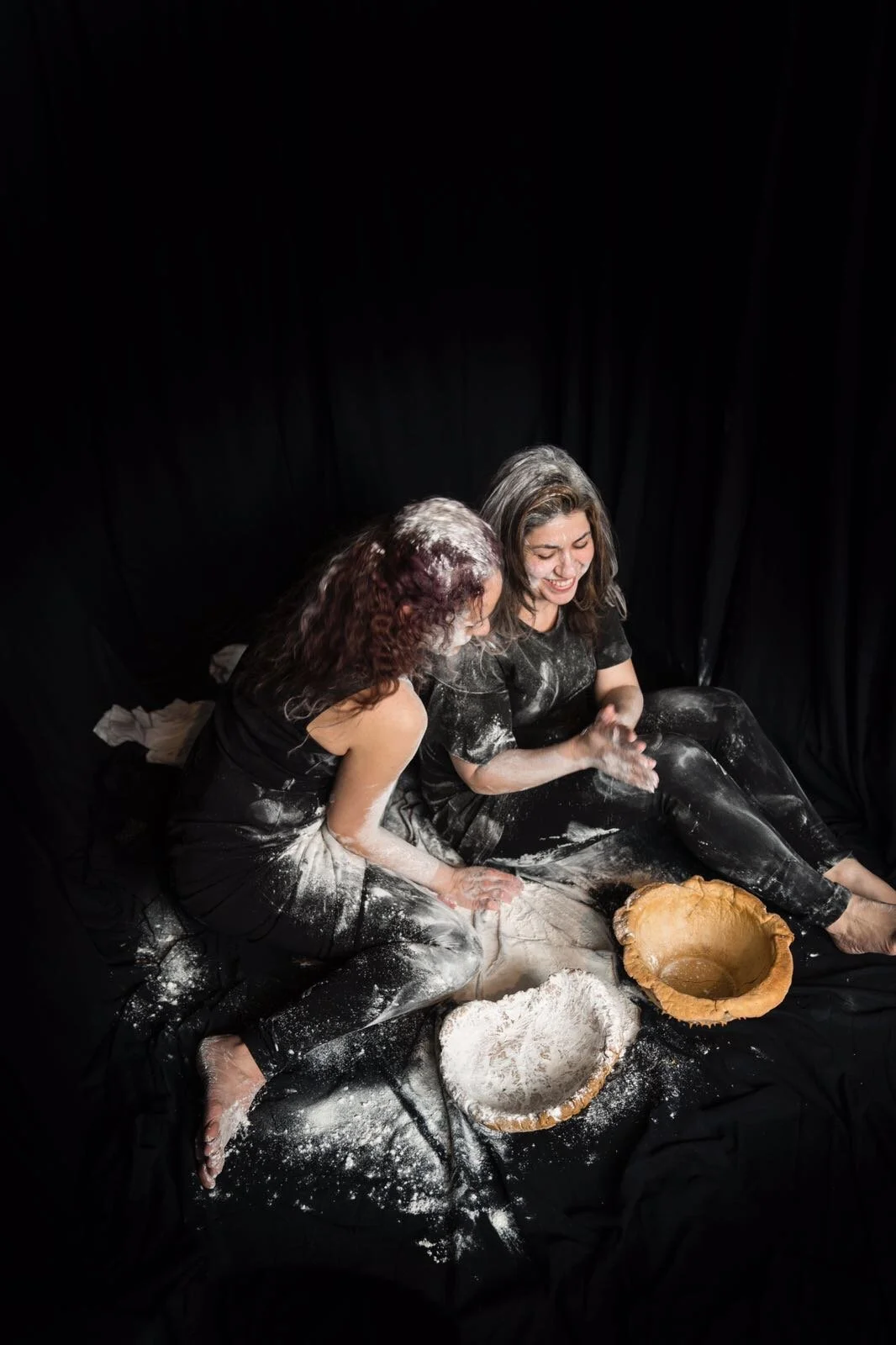
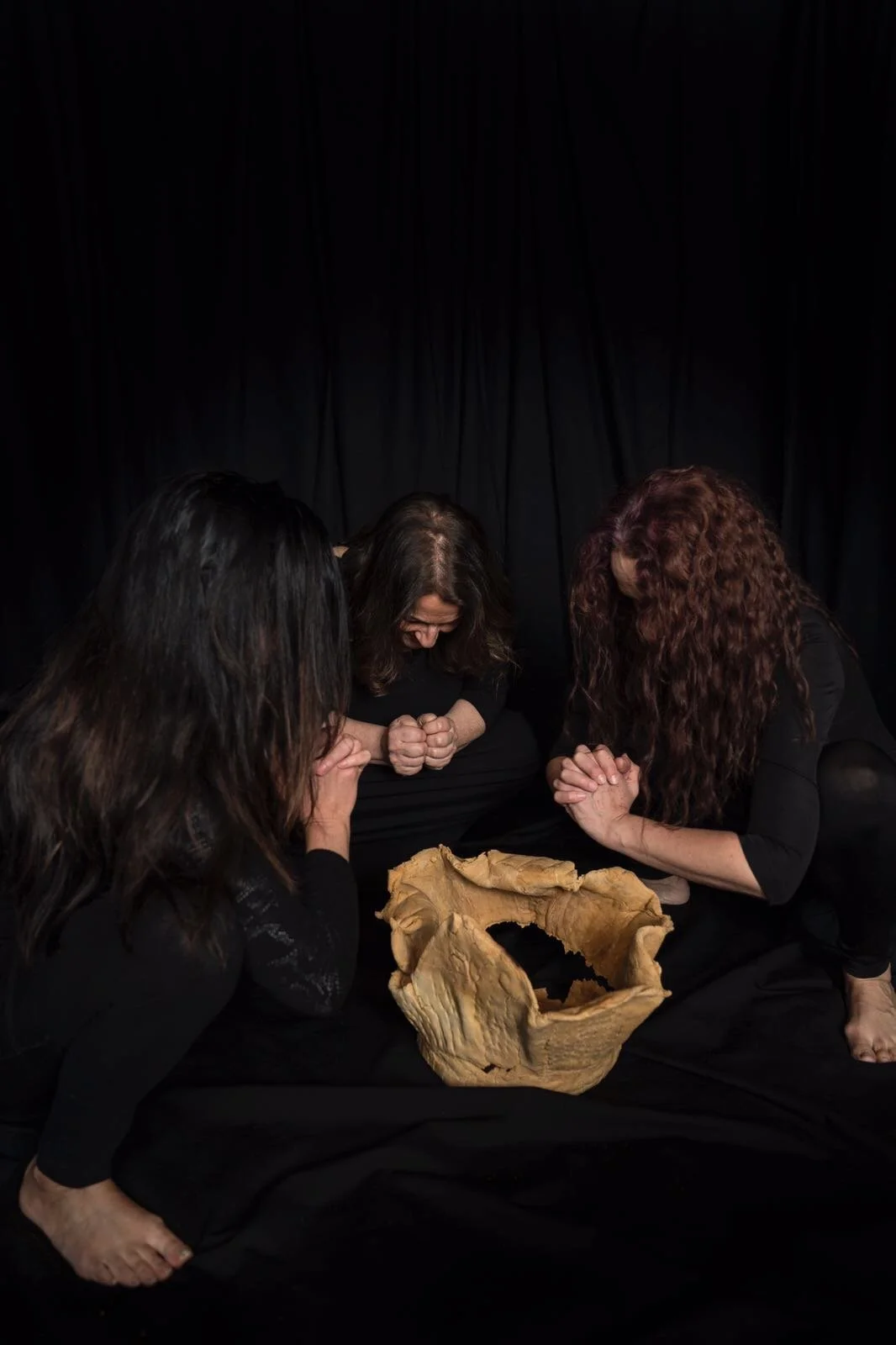
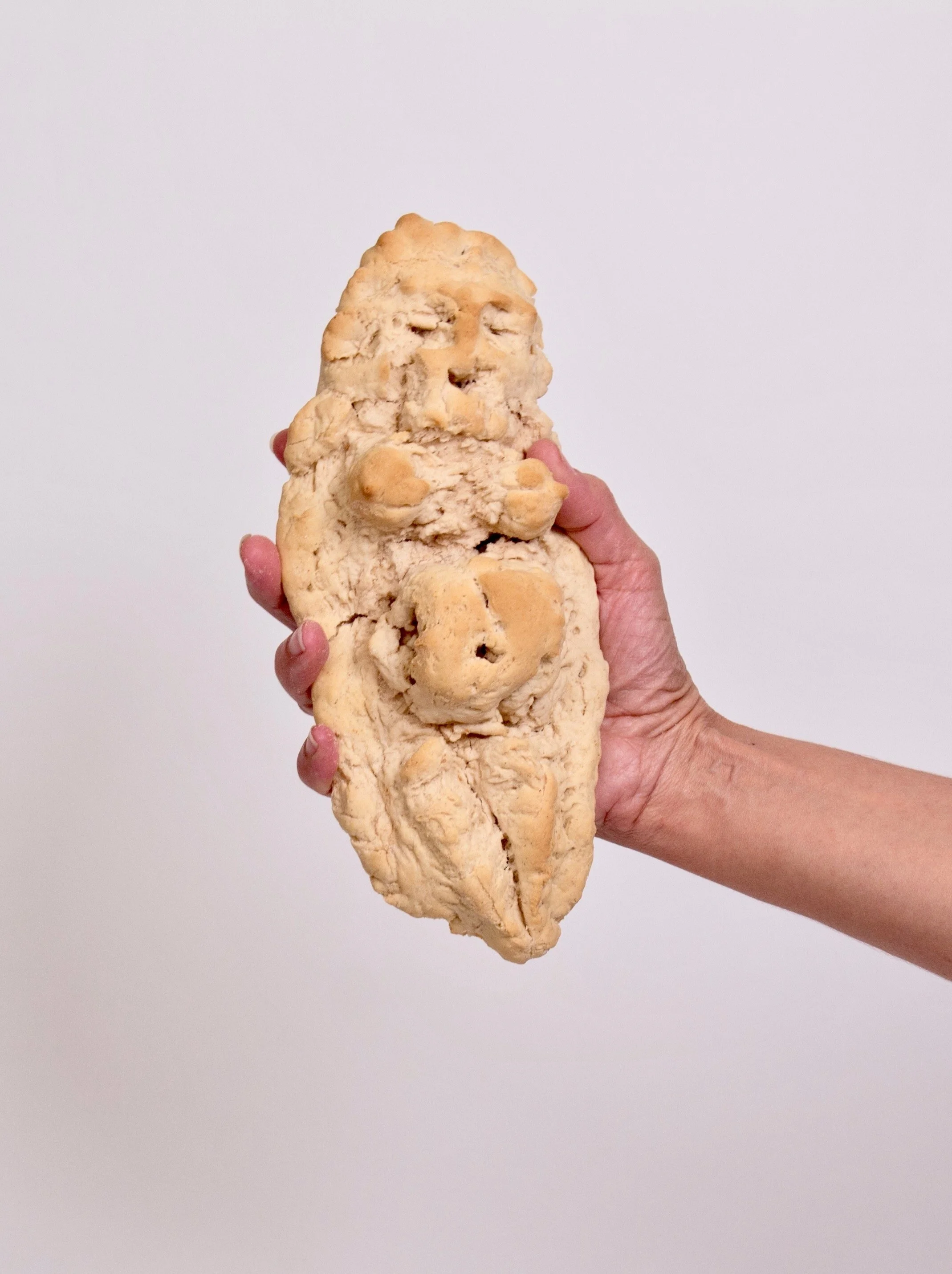
Created from wheat, flour, and water, these bread sculptures reflect the ancient act of transforming raw material into nourishment. In many cultures, bread prepared by women for the home, the bride, or the family table carries symbolic meaning beyond food. It becomes a ritual object an offering of abundance, protection, and continuity. To knead dough is not only to make bread, but to participate in an act of care, creation, and the hope of helping a family grow.
These bread fertility figures draw a visual and symbolic parallel to the Venus of Willendorf, one of the earliest surviving fertility sculptures in human history. Carved in stone, the figure emphasizes the essential forms of the generative body: breasts, belly, hips, and womb. It is a distilled image of fertility, survival, and life giving power.
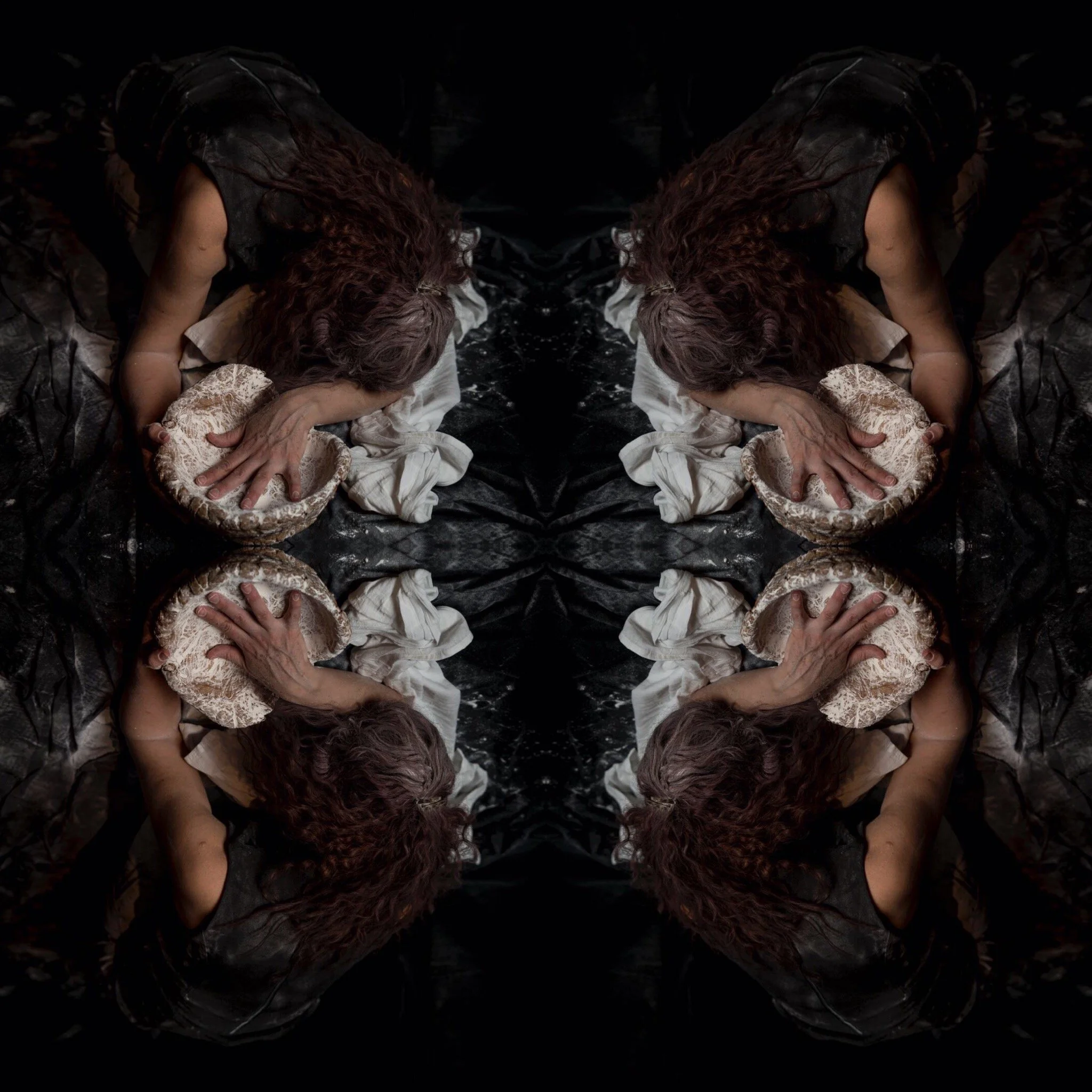
The resemblance between the ancient stone figure and the shape of bread is striking. The rounded mass of risen dough recalls the basic silhouette of the pregnant female body, while the tactile density of bread echoes the presence of carved stone. Both are elemental forms. Both are shaped by hand. Both carry the memory of survival, nourishment, and the continuity of family.
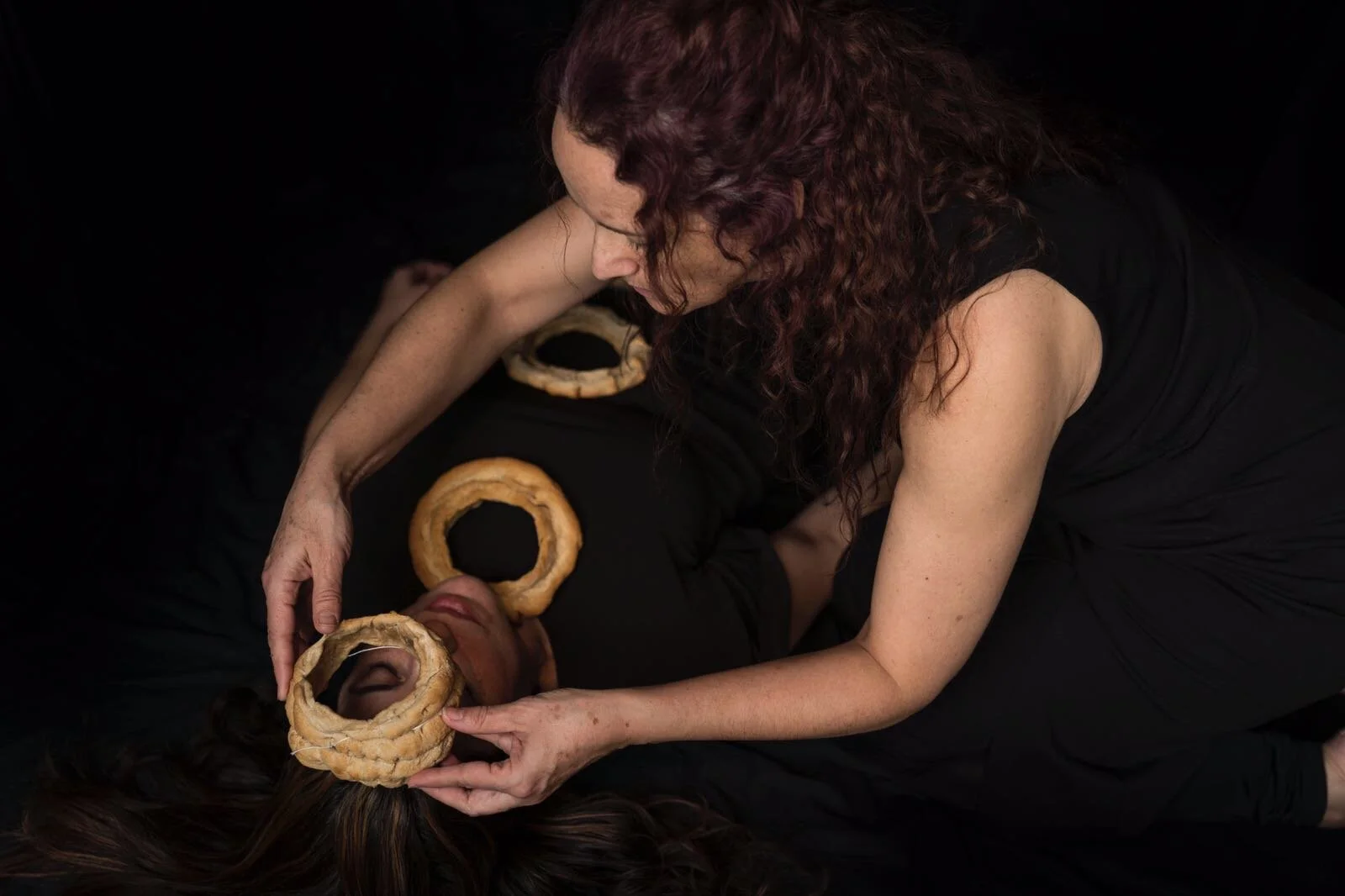
In this work, bread becomes body, and body becomes blessing. The loaf is no longer only food, and the fertility figure is no longer only artifact. Together, they speak across millennia about women’s labor, ritual nourishment, ancient fertility symbols, and the enduring relationship between the female body and the creation of life.